Waist Not, Want Not: The Surprising Link Between Waistlines and Lifespans
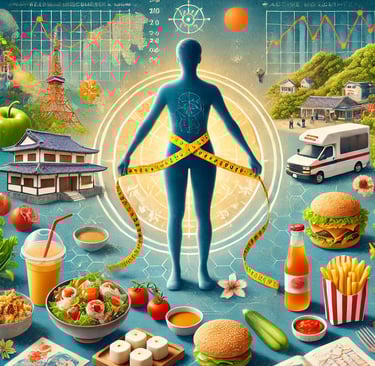
In the grand tapestry of human health metrics, the Body Mass Index (BMI) has long reigned supreme, dictating dietary choices and gym memberships worldwide. However, recent scientific revelations suggest that our trusty old friend BMI might be as outdated as dial-up internet. Enter waist circumference—the new kid on the block that's turning heads (and measuring waists) in the medical community.
11/4/20253 min read

The Skinny on Waistlines
While BMI offers a rudimentary ratio of weight to height, it fails to account for where fat is distributed in the body. This oversight is crucial because abdominal fat, or visceral fat, cozies up to vital organs, increasing the risk of heart disease, diabetes, and other unwelcome ailments. Research indicates that individuals with larger waist circumferences face higher mortality risks, even if their BMI labels them as 'healthy.'
A comprehensive study pooled data from over 600,000 adults worldwide and found that men with waists measuring 43 inches or more had a 50% higher risk of mortality than those with waists under 35 inches. For women, a waist circumference of 37 inches or more was associated with an 80% higher risk compared to those under 27 inches.
From Okinawa to Oklahoma: The Cultural Weave of Waistlines
Now, let's embark on a journey from the serene shores of Okinawa, Japan, to the bustling streets of Oklahoma, USA. Okinawa, once dubbed the "land of immortals," boasted some of the highest life expectancies globally. The Okinawan diet, rich in vegetables, tofu, and fish, coupled with an active lifestyle, kept waistlines trim and longevity impressive.
However, as globalization waved its tempting fast-food flag, many Okinawans swapped their seaweed for soda. The result? A notable decline in life expectancy. This trend was even more pronounced among Okinawans who migrated to the U.S., adopting Western dietary habits and sedentary lifestyles, leading to expanded waistlines and contracted lifespans.
It's Not All in the Genes
While genetics play a role in our health, they're not the sole authors of our destiny. The Okinawan experience underscores the profound impact of environment and lifestyle. Traditional practices, such as sitting on the floor, promote flexibility and strength, contributing to longevity. Yet, as these practices wane, so do their benefits.
Our modern environment bombards us with processed foods, sedentary routines, and stress, making it easy to pile on the pounds. The good news? Small lifestyle changes can make a big difference. It's not about perfection; it's about consistency.
Measure Up for a Healthier You
So, how can you ensure your waistline isn't writing checks your lifespan can't cash? First, grab a tape measure. For women, aim for a waist circumference below 35 inches; for men, below 40 inches. Remember, it's not about fitting into those college jeans but about reducing visceral fat.
Tips to Trim the Tape
Mindful Eating: Embrace a diet rich in whole foods, vegetables, and lean proteins. Channel your inner Okinawan and perhaps try some tofu.
Stay Active: Incorporate regular physical activity into your routine. Even daily walks can work wonders.
Stress Less: Chronic stress can lead to weight gain, especially around the abdomen. Find relaxation techniques that work for you, be it meditation, yoga, or laughing at a good joke.
Hydrate: Drinking plenty of water helps with digestion, keeps you full, and prevents unnecessary snacking.
Quality Sleep: A well-rested body regulates hunger hormones better, reducing cravings and improving metabolism.
Cultural Influences on Waistlines
Ever wondered why people in some regions live longer despite not counting every calorie? The Mediterranean diet, the Nordic way of life, and even traditional Indian cuisine emphasize balance, fresh ingredients, and portion control. The secret isn't in fad diets but in cultural habits passed down through generations.
Take, for instance, the Greeks, whose diets are packed with olive oil, fresh vegetables, and fish, or the Nordic diet, which includes whole grains, berries, and lean proteins. Both lifestyles prioritize movement, social connections, and mindful eating.
Your Health Passport
In a way, our health is our passport to a longer, happier life. When we travel or relocate, adapting to local habits is inevitable, but choosing wisely can make all the difference. Instead of embracing every deep-fried delicacy available, why not incorporate healthier local alternatives? After all, even in the land of burgers and fries, there are farmers' markets and yoga studios waiting to be discovered.
The Bottom Line
While we can't change our genetic hand, we can certainly play our cards wisely. By paying attention to our waistlines and embracing healthier lifestyles, we not only add years to our life but life to our years. So, next time you're tempted by that extra slice of cake, remember: your waistline is watching, and so is your lifespan.
For more insights into health and longevity, stay tuned.
Itineround
Discover itineraries and maps of world cities.
email - itineround@gmail.com
© 2026. All rights reserved.