The Latitude of Longevity: Unraveling the Secrets of the World’s Blue Zones
On the rugged hills of Sardinia, a village elder sips wine from a small tumbler, her laughter blending with the Mediterranean breeze. Thousands of miles away, in the lush valleys of Okinawa, an elderly man tends his garden, picking purple sweet potatoes with hands weathered by time. Across the Pacific, in the hills of Costa Rica’s Nicoya Peninsula, another centenarian recounts tales of his youth under a mango tree. What unites these seemingly disparate individuals? They live in some of the world’s famed "Blue Zones," regions where people consistently defy the odds to live well past 100 years. But why do these regions—scattered across the globe like pearls on a string—harbor an unusual number of super-agers? Could the secret to their longevity lie not just in their diets, lifestyles, or cultural habits, but in something as cosmic as their latitude?
10/30/20253 min read
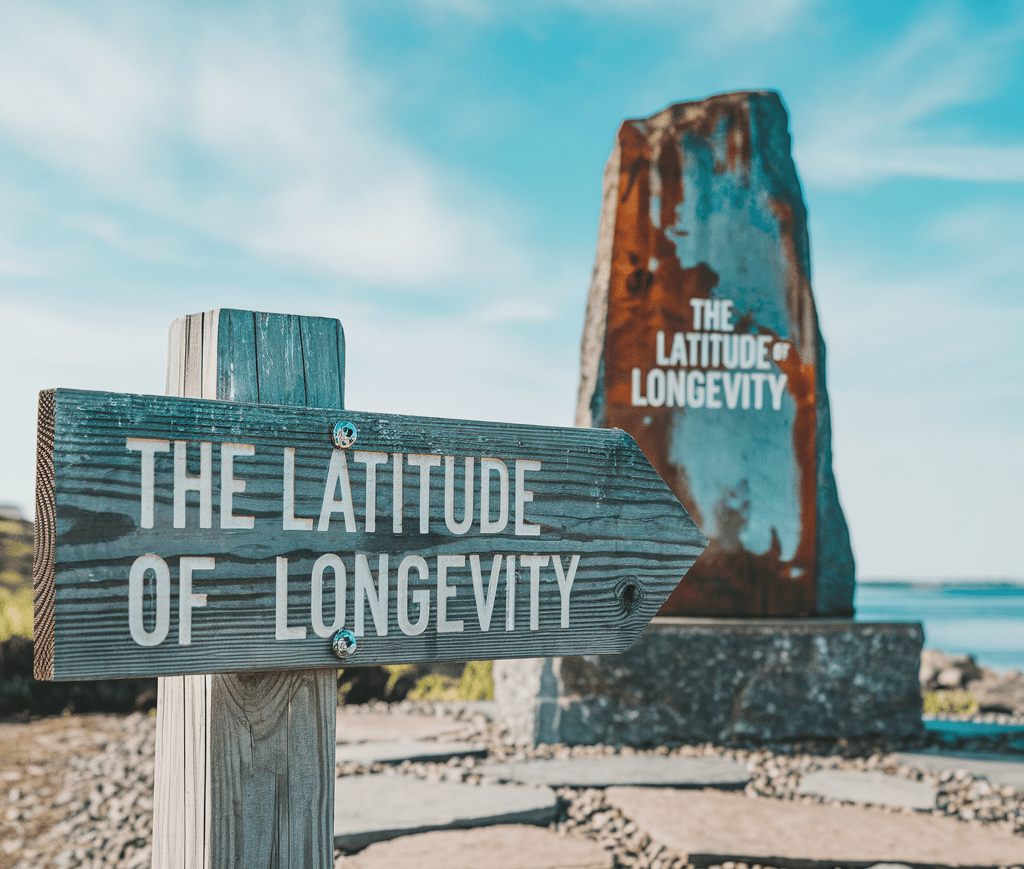
Mapping the Blue Zones: Clusters of Centenarian Bliss
The concept of Blue Zones emerged from the work of Dan Buettner, who identified five key regions with extraordinary longevity: Okinawa (Japan), Sardinia (Italy), Nicoya (Costa Rica), Ikaria (Greece), and Loma Linda (California, USA). These regions, he argued, share nine lifestyle traits—dubbed the "Power 9"—including plant-based diets, regular physical activity, and a strong sense of purpose.
However, beyond their lifestyle commonalities, another striking feature connects these zones: their latitudinal positioning. A quick glance at the globe reveals that these regions—with the exception of Loma Linda, an outlier in many respects—are nestled within latitudes of approximately 30 to 45 degrees. Coincidence? Perhaps. Or maybe there’s a deeper connection between where these people live and how they thrive.
The Sun’s Golden Touch: UVB, Vitamin D, and Longevity
Latitude, as it turns out, dictates exposure to ultraviolet B (UVB) radiation from the sun. UVB rays are essential for the production of vitamin D in human skin—a hormone that regulates calcium absorption, bolsters immune function, and reduces inflammation. Could it be that these sunny latitudes provide an optimal dose of UVB rays, boosting vitamin D levels and, consequently, life expectancy?
Studies certainly suggest so. Research published in the Journal of Aging Research highlights that populations living in regions with moderate UVB exposure tend to have lower rates of chronic diseases such as osteoporosis, cardiovascular disorders, and certain cancers—all leading causes of mortality. Another study from the Endocrine Society links higher lifetime vitamin D levels to a reduced risk of neurodegenerative diseases like Alzheimer’s, a common foe of the aged.
Notably, the benefits of vitamin D aren’t limited to disease prevention. The hormone also plays a role in mood regulation. Could this be why Blue Zone inhabitants, with their sun-kissed skin and radiant smiles, appear perpetually cheerful?
The Latitude Connection: A Geographical Sweet Spot?
It’s tempting to think of latitude as a magic number—a Goldilocks zone where conditions are just right for longevity. Within these latitudes, the UVB exposure is neither too intense (as it is closer to the equator, where skin cancer rates soar) nor too weak (as in higher latitudes, where long, dark winters can lead to vitamin D deficiencies). This balance might create an environment where humans can thrive well into old age.
Take Sardinia, for example, where shepherds traverse sunlit pastures, their skin soaking up UVB rays as they tend to their flocks. Or consider Okinawa, where islanders—surrounded by sparkling seas and endless horizons—engage in outdoor activities year-round. Even in Nicoya, the dry tropical climate provides ample sunshine, fostering robust vitamin D levels. Could their geographical positioning be nature’s quiet conspiracy for longevity?
The Humour of It All: A Sunny Disposition, Literally
Of course, not all sunny latitudes guarantee long lives. Florida, for instance, may boast abundant sunshine, but it’s not exactly a hotspot for centenarians (unless you count retirees at bingo night). The difference, scientists suggest, lies in how people utilize their environment. In Blue Zones, sunshine is paired with active lifestyles, nutritious diets, and strong social networks—a holistic recipe for health. Sitting indoors with a burger and fries, even in the sunniest of spots, doesn’t quite cut it.
And then there’s the irony of modernity. As urban dwellers, many of us slather on sunscreen, sit in air-conditioned offices, and shy away from the very sunlight that could help us live longer. Perhaps the centenarians of Blue Zones aren’t just outliving us; they’re outsmarting us, too.
Latitude Isn’t Destiny—But It’s a Start
It’s important to note that latitude alone doesn’t guarantee a long life. Many factors—genetics, diet, community, and even sheer luck—play a role in determining longevity. However, the geographical positioning of Blue Zones does provide food for thought. Could we design modern cities and lifestyles to mimic the benefits of these golden latitudes? Urban planners and public health officials might take a cue from nature, emphasizing outdoor spaces, walkability, and communal living.
As science continues to unravel the mysteries of longevity, one thing remains clear: the path to a long life isn’t just about where you live, but how you live. Still, for those of us dreaming of our centennial celebrations, it might not hurt to consider relocating to a sunny, mid-latitude paradise.
So here’s to chasing the sun, embracing the rays, and—if all else fails—booking that one-way ticket to Sardinia. After all, if you’re going to live to 100, you might as well enjoy the view.
Itineround
Discover itineraries and maps of world cities.
email - itineround@gmail.com
© 2026. All rights reserved.