Around the World in 80 (Bureaucratic) Days: Navigating Travel Visas and Entry Rules
Ah, travel—the sweet escape from daily monotony, where you envision sipping margaritas on a beach or exploring cobblestone streets with gelato in hand. But before you pack your bags and set your email auto-reply to "Out of Office," there's one crucial hurdle: the paperwork. Yes, dear traveler, while you’re dreaming of adventure, immigration officials are dreaming of your neatly filled-out visa forms.
8/11/20253 min read
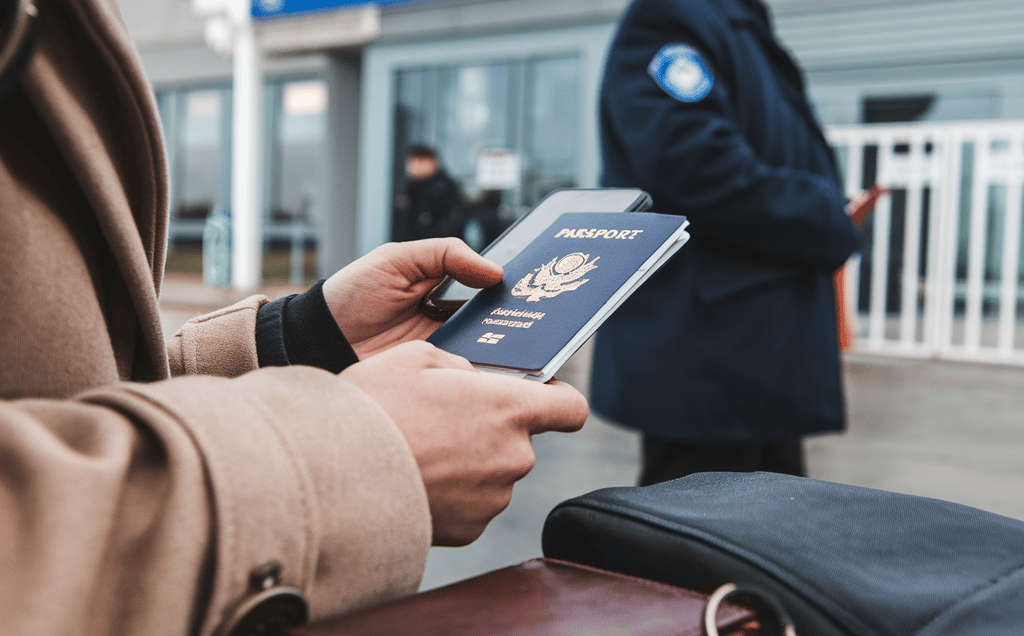
The Passport Predicament
First things first: your passport. It’s your golden ticket, but not all golden tickets are created equal. Many countries require that your passport has at least six months of validity remaining at the time of entry. Why six months? Perhaps it’s to ensure you don’t get too cozy and overstay your welcome. Regardless, it’s a rule that has caught many travelers off guard.
Consider Mark, a New Yorker who planned a romantic getaway to Bali. Upon landing, he discovered his passport had only five months left before expiry. He spent the night at the airport’s hard plastic seating instead of a luxurious beach villa. Lesson learned: always check your passport’s expiration date.
Visa: The Magic Word (or the Nightmare)
If passports are your ticket, visas are the VIP wristbands—except, instead of getting you into an exclusive club, they determine whether you’ll even be let into the country. Visas vary widely depending on your destination and citizenship:
Schengen Zone (Europe): For Americans, Canadians, and Australians, it’s a no-visa-needed paradise… for up to 90 days within a 180-day period. Stay longer, and you might be on the next flight home.
India: Once notorious for its arduous paperwork, India now offers an e-Visa system. Fill out an online form, upload a photo (try not to look like a criminal in it), and pay the fee.
Russia: If you thought climbing Everest was hard, try applying for a Russian visa. Invitations, detailed itineraries, and your firstborn child might be required.
Vietnam and Cambodia: Visas on arrival are common, but don’t forget to bring passport photos and cash for the fee—yes, they mean it when they say cash only.
USA: Many travelers from visa-exempt countries still need an ESTA (Electronic System for Travel Authorization). It’s a quick online process… unless you forget and find yourself Googling "ESTA urgent" at the airport.
Paperwork and Pitfalls
Some countries have stepped up their game with pre-arrival requirements. For example:
Australia: Most tourists need an ETA (Electronic Travel Authority) or eVisitor visa. It’s straightforward… unless you mistakenly list "koala smuggler" as your occupation.
New Zealand: Visitors must complete an NZeTA (New Zealand Electronic Travel Authority) and pay an International Visitor Conservation and Tourism Levy. It’s like a cover charge for their pristine landscapes.
Canada: Many visitors need an eTA (Electronic Travel Authorization). The process is simple unless you forget and your vacation starts with a stern-faced immigration officer.
Japan: While most Western travelers don’t need a visa for short visits, Japan recently introduced an online questionnaire due to health protocols. Fill it out beforehand, or risk slowing down the line of tourists eager for sushi.
Fees, Forms, and Frustrations
Travel visas aren’t just about paperwork; they’re also about money. Fees vary wildly, from $20 for an easy e-Visa to hundreds of dollars for multi-entry visas to countries like China. Oh, and did we mention reciprocity fees? Some countries charge travelers the same amount their citizens pay to enter your country. Revenge is sweet.
And then there are the forms. In 2019, Beth from London missed her family reunion in the USA because she failed to answer all 16 questions on the ESTA form correctly. Pro tip: when a form asks if you plan to engage in terrorist activities, always check "No."
Stories of Woe
The Airport Sleeper: In 2017, a German tourist planning to visit Kenya forgot to apply for an e-Visa. After a long-haul flight, they were denied entry and spent two days in airport limbo before being sent back.
The Forgotten ESTA: John from Dublin realized at the airport check-in counter that he hadn’t completed his ESTA for a weekend trip to New York. The airline wouldn’t let him board, and he spent his "vacation" at a pub in Dublin instead.
The Expired Passport Fiasco: A family traveling to Thailand for Christmas was stopped at the check-in desk because their toddler’s passport had less than six months of validity. Their festive season was spent arguing with the airline and rebooking flights.
Resources to Save the Day
Avoid these nightmares by doing your homework. The best resources for up-to-date visa and entry requirements include:
IATA Travel Centre: An excellent tool for checking passport, visa, and health requirements.
[Official Government Websites]: Always go straight to the source for reliable information. For example:
US: travel.state.gov
UK: gov.uk/foreign-travel-advice
Canada: travel.gc.ca
Embassy Websites: The safest bet for accurate visa rules.
Visa Service Providers: Sites like visahq.com or ivisa.com simplify the process for a fee.
Final Thoughts
Travel is exciting, but bureaucracy is not. Yet, navigating these hurdles is part of the adventure. Take the time to research, double-check your passport, and embrace the paperwork. After all, no one wants to be that person arguing with an immigration officer while everyone else is Instagramming their first cocktail.
Remember, as the saying goes: “A passport opens doors, but a visa lets you stay.” So, get your papers in order and go explore the world—responsibly and with at least six months left on that passport.
Itineround
Discover itineraries and maps of world cities.
email - itineround@gmail.com
© 2026. All rights reserved.